
The global energy landscape is undergoing a powerful transformation. As the world shifts toward sustainable energy solutions, technologies like solar power, wind energy, and green hydrogen are no longer just part of a distant future—they are improving everyday life, right here and now.
Why Renewable Energy Matters Today
From climate change to energy security and rising utility costs, the need for clean energy has never been more urgent. Across industries, governments, and households, the transition to renewable energy is driving long-term savings, greater efficiency, and environmental resilience.
What’s changing now is not just the scale of renewable energy—but the impact it’s having on daily life.
Solar Power: Clean, Affordable Energy for Everyone
Solar energy is one of the most accessible and rapidly expanding forms of clean electricity in the world. The technology is now cost-effective, scalable, and efficient making it a viable energy source for everything from individual homes to industrial operations.
Installing solar panels on rooftops reduces electricity bills, cuts carbon emissions, and creates energy independence. In rural or underserved areas, it also improves energy access, enabling everything from digital learning to refrigerated healthcare supply chains.
With decreasing costs and rising adoption, residential solar installations are now a major contributor to grid stability and household savings.
Wind Energy: A Powerful Force for Sustainable Growth
Wind power is one of the fastest-growing sources of renewable electricity globally. Both onshore and offshore wind farms now play a critical role in replacing fossil fuels, supplying clean power to millions of homes and businesses.
Modern wind turbines generate more energy with less land use, and advances in smart grid integration have made wind energy more consistent and reliable.
Beyond its environmental impact, wind energy supports green jobs, local investment, and regional energy security—all essential components of a sustainable economy.
Hydrogen Energy: The Next Frontier
While solar and wind dominate the current landscape, green hydrogen is fast emerging as the clean fuel of the future. Produced using renewable electricity, it offers a zero-emission solution for sectors that are difficult to electrify—such as heavy industry, shipping, and long-haul transport.
As energy systems evolve, hydrogen fuel will play a crucial role in achieving net-zero emissions goals by providing a flexible, storable, and clean energy carrier.
Everyday Benefits of Clean Energy
The switch to renewable energy sources doesn’t just help the environment—it makes life measurably better. Here’s how:
- Lower utility bills through solar rooftops and energy-efficient systems
- Improved air quality in cities thanks to reduced fossil fuel use
- Increased energy access in remote or off-grid regions
- Job creation in clean energy sectors
- Energy resilience in the face of climate events and supply disruptions
These are not theoretical outcomes. They’re real, measurable changes being experienced by communities and businesses around the world.
The Path Forward
As we look toward a future powered by clean, renewable energy, one thing is clear: this transition is not just necessary—it’s already happening.
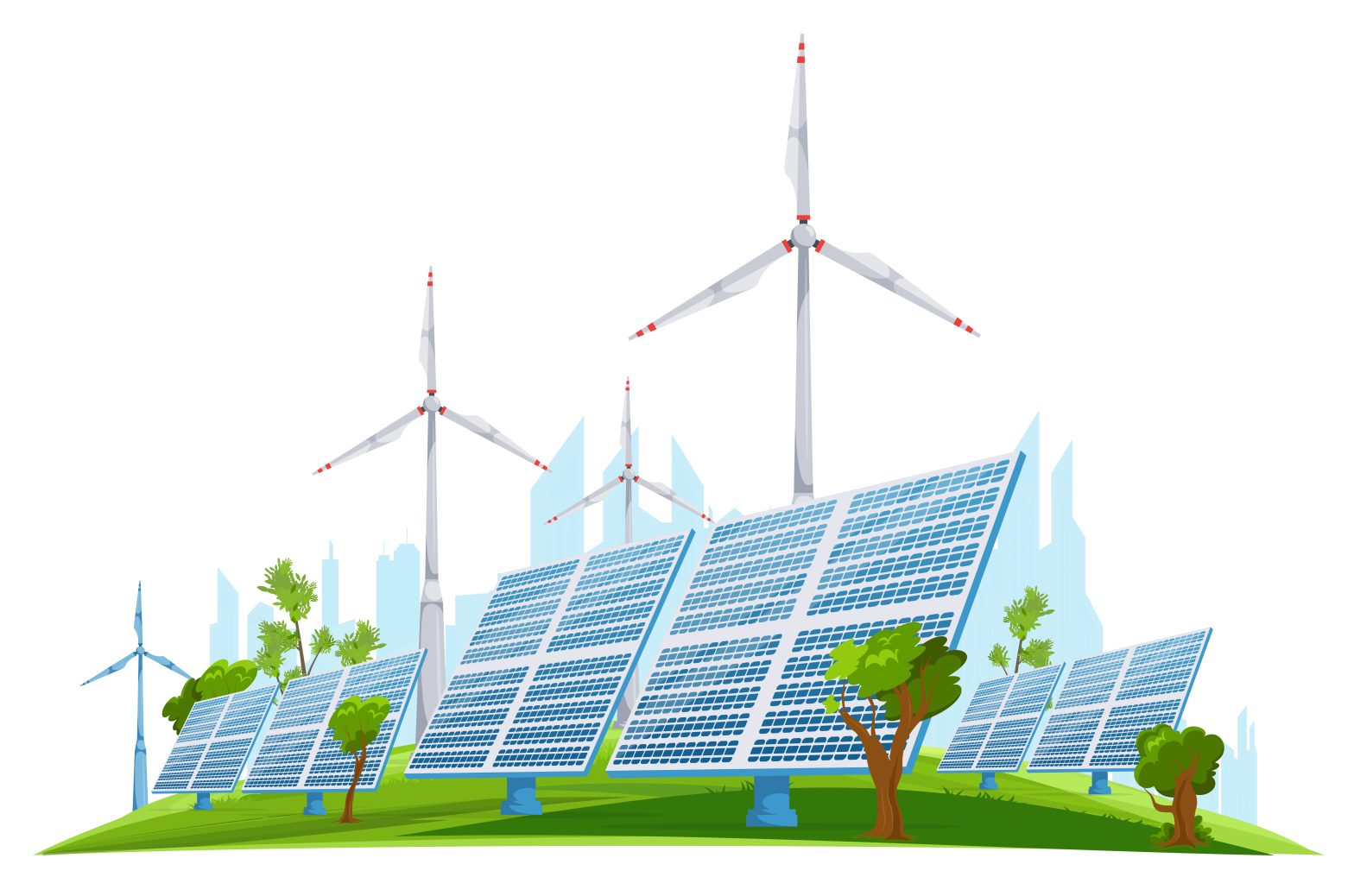
With a thoughtful mix of solar power systems, wind farms, hydrogen energy, and smart grid solutions, we can build an energy ecosystem that is sustainable, resilient, and inclusive.
At IES, we help make that future real. Our integrated solutions and deep expertise empower organizations to embrace renewable energy in ways that are economically sound and environmentally impactful—every day.